August 5, 2026
Your home's exterior creates a lasting first impression while serving as its first layer of defense against the elements. Choosing the right siding material is about much more than appearance. It involves finding an option that complements your home's architecture, suits your maintenance preferences, and performs well for years to come.
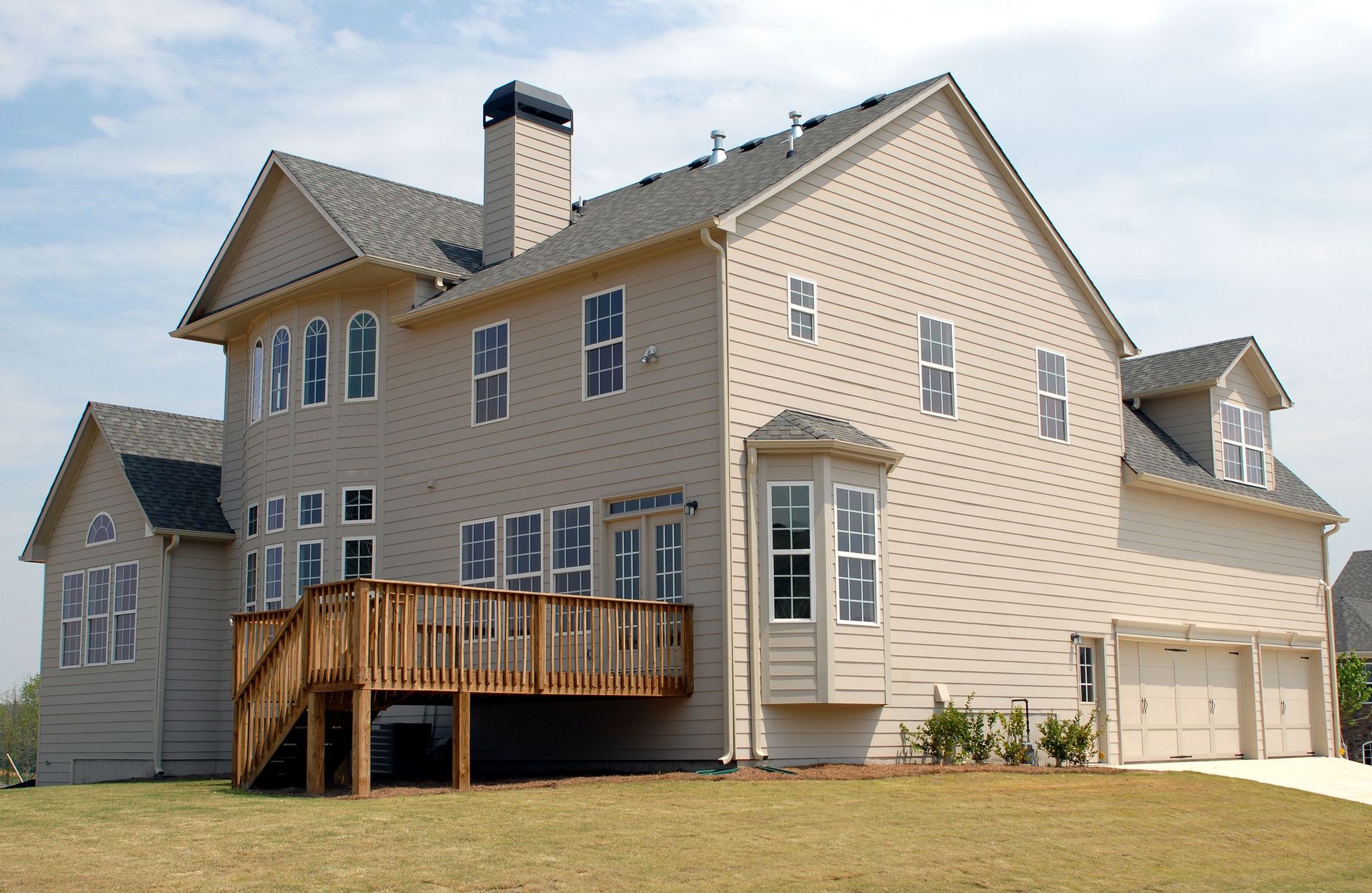
Every home has unique design features that deserve careful consideration before beginning a siding installation project. From traditional ranch homes to contemporary builds, selecting the right material helps create a cohesive appearance while supporting long-term durability and value. A thoughtful approach to selecting siding begins with understanding how each material complements your home's architectural style, maintenance expectations, and long-term goals.
Understanding How Architecture Influences Material Selection
Match the Material to Your Home's Style
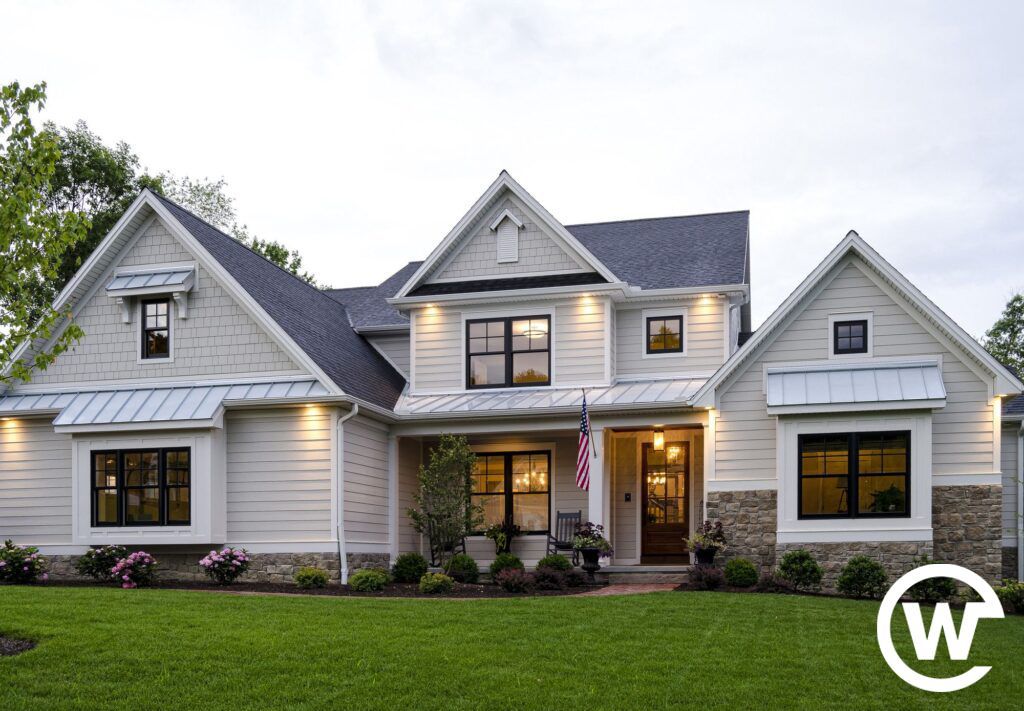
Every architectural style has characteristics that naturally pair well with certain siding materials. A traditional Colonial home often looks best with clean horizontal lap siding, while a farmhouse may benefit from a combination of lap siding and board-and-batten accents. Craftsman homes frequently incorporate multiple textures, making fiber cement products an attractive choice for creating visual interest without overwhelming the design.
Rather than choosing a material based solely on current trends, homeowners should consider what complements the home's proportions and original design. A thoughtful siding installation respects the property's character while giving it an updated appearance that remains appealing for years. Taking time to evaluate rooflines, window placement, and decorative features before selecting a product can make a significant difference in the finished result. Even subtle design details influence how well a particular siding material blends with the rest of the home, making careful planning an important part of achieving a balanced exterior.
Consider Texture and Visual Depth
Texture plays a major role in how siding affects the overall appearance of a home. Smooth panels often create a sleek, contemporary aesthetic, while wood-grain finishes add warmth and dimension. Homes with simple rooflines may benefit from textured siding that introduces visual interest, whereas more elaborate architecture may look better with cleaner, understated finishes.
Balancing textures is equally important. Exterior trim, soffits, fascia, and other architectural elements should work together with the siding instead of competing for attention. Creating harmony among these components helps produce an exterior that feels polished and intentional. Selecting complementary textures can also draw attention to attractive architectural details while minimizing features that are less visually prominent. This coordinated approach creates a more unified appearance from every angle.
Coordinate Colors Carefully
Color selection should enhance the home's architectural details instead of hiding them. Neutral shades remain popular because they adapt well to changing landscaping, roofing, and decorative accents. Darker colors can emphasize modern designs, while lighter shades often highlight traditional architecture and create an inviting appearance.
According to PR Newswire, approximately 62% of homeowners in the United States choose exterior colors that coordinate with their trim rather than creating a sharp contrast. This reflects the continued popularity of unified exterior color palettes that produce a balanced, cohesive design. Homeowners should also consider how natural lighting throughout the day affects color, as the same shade can appear noticeably different depending on sunlight, surrounding trees, and neighboring homes.
Evaluating Materials Based on Performance and Appearance
Fiber Cement Offers Versatility
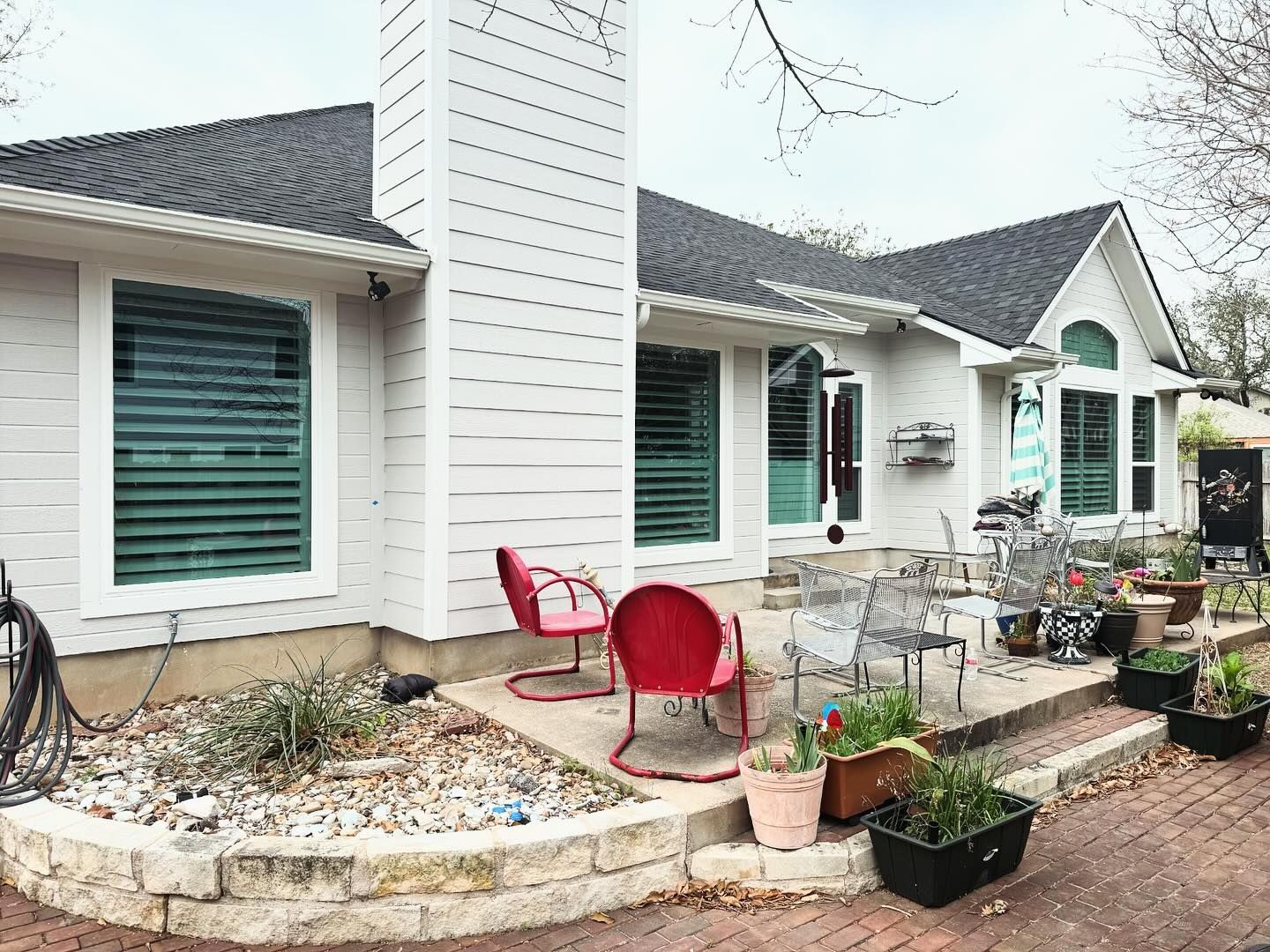
Fiber cement has become one of the most versatile materials available for siding installation because it suits a wide variety of architectural styles. It can replicate the appearance of painted wood while offering exceptional durability and resistance to weather exposure. Whether a home features contemporary lines or classic detailing, fiber cement can adapt to nearly any design.
Many homeowners appreciate that fiber cement requires relatively little upkeep compared to natural wood. It also provides flexibility in color and profile selections, allowing contractors to customize the finished appearance to complement each home's unique architecture. For homeowners seeking a balance between longevity and visual appeal, fiber cement remains one of the strongest options available for residential exteriors.
Vinyl Provides Flexible Design Options
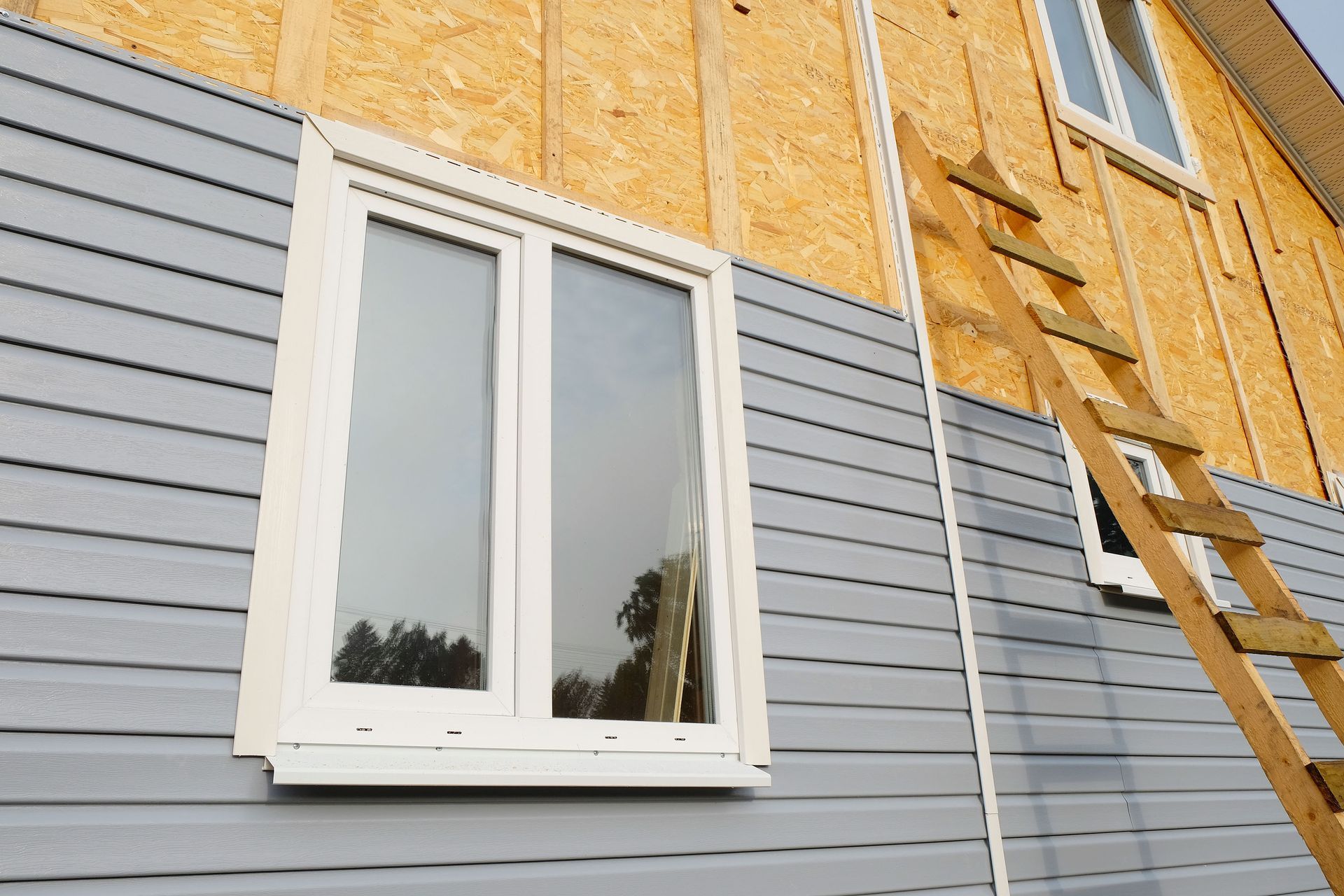
Vinyl remains a popular option because it offers numerous colors, textures, and profiles at an approachable price point. It works particularly well for homeowners seeking a refreshed exterior without dramatically increasing project costs.
Modern vinyl products are available in styles that imitate wood grain while reducing many of the maintenance demands associated with traditional wood siding. When professionally installed, vinyl creates clean lines that complement many home styles, from suburban ranches to two-story traditional homes. Choosing experienced professionals for siding installation also helps ensure panels are properly secured for long-term performance and appearance. Proper installation techniques also reduce the likelihood of moisture intrusion and help the material expand and contract naturally with changing temperatures.
Engineered and Natural Wood Create Character
Wood siding delivers timeless charm that many homeowners find difficult to replicate with other materials. Cedar, pine, and redwood each provide distinct appearances that enhance cottages, cabins, Craftsman homes, and historic residences.
Engineered wood products offer a similar visual appeal while reducing some maintenance concerns. They provide improved resistance to moisture and insects while preserving much of the warmth associated with natural wood. Homeowners who appreciate authentic character but want a practical alternative often find engineered wood to be an excellent balance between aesthetics and durability. Comparing maintenance requirements, expected lifespan, and overall appearance before making a final decision helps ensure the chosen material aligns with both practical needs and personal preferences.
Working With Professionals to Make the Best Choice
Evaluate Climate Alongside Design
Beautiful siding should also perform well in the local environment. Regional weather patterns influence how different materials hold up over time. Areas with prolonged heat, humidity, heavy rain, or severe storms may benefit from products specifically designed to withstand those conditions.
Professional contractors evaluate environmental factors alongside architectural style before recommending materials. This balanced approach helps homeowners choose products that not only look appropriate but also continue protecting the home through changing seasons. A well-planned siding installation considers both appearance and long-term performance rather than focusing on either factor alone. Professionals can also explain how local weather patterns may affect maintenance schedules and overall material longevity.
Compare Long-Term Maintenance Requirements
Maintenance expectations vary considerably among siding materials. Natural wood generally requires periodic painting or staining, while fiber cement may need repainting after many years. Vinyl typically requires occasional cleaning to maintain its appearance.
Understanding these differences before selecting a material helps homeowners avoid future surprises. A siding option that fits your desired maintenance routine is often just as important as one that complements your home's design. Contractors can explain the care each material requires so you can make an informed decision based on your lifestyle. Factoring maintenance costs into your budget early can also help you choose a material that remains affordable throughout its lifespan instead of only during the initial purchase.
Seek Personalized Design Guidance
No two homes are exactly alike, even within the same neighborhood. Window placement, rooflines, porches, trim details, and landscaping all contribute to the home's overall appearance. Because of these differences, personalized recommendations for siding installation often produce better results than simply copying another property's exterior.
An experienced contractor begins with a thorough on-site consultation, evaluating your home's architecture, discussing your preferences, and recommending materials that fit both your design goals and budget. Companies that work with a broad selection of manufacturers can often provide more customized solutions instead of limiting homeowners to only a few product lines. Certified installers, transparent pricing, and clear communication throughout the project also help create a smoother experience from the initial consultation through the completed siding installation.
Choosing the right siding material requires balancing architectural style, durability, maintenance needs, and personal preferences. When each of these factors is carefully considered, the finished exterior enhances both curb appeal and long-term protection. Ready to refresh your home's exterior? Contact Wilco Windows & Siding today to schedule your free consultation and get started with your siding project!