September 8, 2026
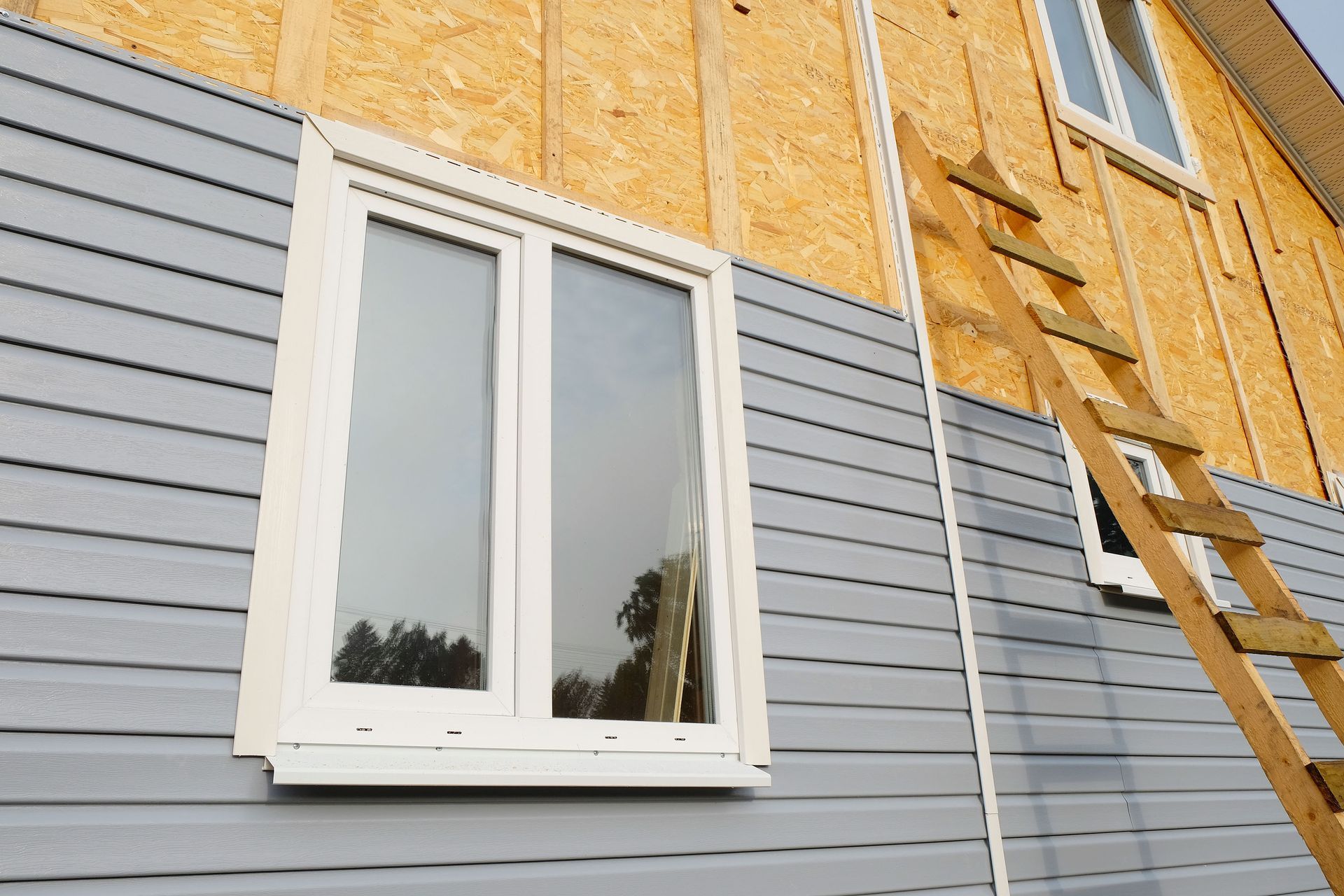
Siding plays a crucial role in protecting your home from various external elements. Not only does it give your home a visual appeal, but it also provides insulation and shields against harsh weather conditions. Siding acts as the first line of defense against moisture, insects, and UV rays. By choosing the appropriate siding material, homeowners can ensure that their homes remain energy-efficient and structurally sound. As the market evolves, the demand for siding is on the rise, reaching an estimated $16.0 billion by 2027 according to the Freedonia Group, indicating its growing importance.
1. Ensure Weather Resistance
1.1 Protection Against Rain and Moisture
The primary function of siding is to act as a barrier against water infiltration. When it rains, moisture tries to penetrate to the core structure of a house, leading to potential damage and mold growth. Siding material like vinyl or fiber cement is designed to deflect water and prevent water-related damage. Proper installation ensures that rainwater is directed away from the house, thus significantly reducing the risk of water-related structural issues. This safeguarding of the outer shell of a home helps in prolonging the lifespan of the building.
1.2 Shield from Wind Damage
High winds pose a significant threat to homes, especially those in hurricane-prone areas. Quality siding helps shield homes from the constant battering of strong gusts that can tear apart weaker external materials. Materials like stucco or engineered wood offer resilience against wind forces, reducing the probability of debris penetration. Wind resistance is enhanced with impact-resistant designs that stay intact even at high speeds. This reduces maintenance needs and ensures the safety and security of the home and its inhabitants.
1.3 Defense Against Snow and Ice
In colder climates, proper siding is essential to combat the effects of snow and ice. Siding reduces the formation of ice dams by promoting better insulation and temperature balance within the home. Materials like vinyl are particularly effective in cold conditions as they help prevent heat loss, ensuring the structural integrity during winter months. Moreover, effective siding reduces stress on the home's heating system by keeping internal temperatures stable. This longevity and protection indicate how siding serves as a crucial component in maintaining home durability during winter.
1.4 UV Radiation Protection
Siding also works to block UV radiation, which can cause long-term damage to both the interior and exterior of a home. Constant exposure to harsh sun rays can lead to fading and deterioration of building materials over time. UV-resistant siding materials like fiber cement provide a protective shield, preserving both aesthetics and structural quality. This protection helps in reducing the chances of costly repairs related to sun damage. Additionally, by blocking UV rays, siding helps in maintaining lower interior temperatures, contributing to overall energy efficiency.
1.5 Resistance to Hail and Other Impact Damage
Hailstorms pose another threat where robust siding can play a defensive role. Certain siding designs incorporate impact-resistant properties to withstand the force of hailstones and other environmental debris. Materials such as metal siding can offer an extra layer of protection, minimizing damage. This resistance helps in maintaining the home's outer appearance and prevents immediate and future repair needs. Such durability becomes an economic benefit in regions prone to severe weather conditions, providing peace of mind and cost savings.
2. Provide Thermal Insulation
2.1 Energy Efficiency Improvements
Siding contributes significantly to a home's thermal insulation, essentially enhancing energy efficiency. Siding materials with insulation backing help in maintaining stable indoor temperatures, thereby reducing the need for excessive heating or cooling. When a house is well-insulated, it prevents loss of heat during winter and keeps the interior cool during summer. As a result, homeowners see significant reductions in their energy bills. In an era of increasing energy costs, improved energy efficiency is a major advantage and a key reason for the expected growth in the siding industry.
2.2 Reduction of Thermal Bridging
Thermal bridging occurs when there is a gap in insulation, allowing heat to escape or enter a building. Siding can reduce thermal bridging by providing an additional insulating layer over a house's exterior walls. This prevents heat transfer and ensures that indoor temperatures remain consistent. By minimizing thermal bridges, siding improves comfort while reducing energy consumption. More households recognize this benefit, contributing to the increased demand projected for the siding market in the coming years.
2.3 Enhancing Indoor Comfort
Quality siding enhances indoor comfort by providing effective thermal barriers. With efficient thermal insulation, homeowners experience more stable indoor temperatures year-round. This increases comfort levels and creates a more pleasant living environment. Additionally, siding insulation reduces the strain on HVAC systems, leading to less wear and longer service lifespan for these systems. As these cumulative benefits become more apparent, siding installation becomes an increasingly wise investment for homeowners.
2.4 Role in Climate-specific Insulation
Different climates require different types of siding materials. Tropical and hot regions benefit from siding that reflects heat, while colder areas need materials that offer better insulation properties. Various siding materials like fiber cement, wood, and vinyl cater to these specific climate needs, ensuring optimal insulation results. Homeowners can choose appropriate materials tailored to their regional climate, enhancing efficiency and comfort. This adaptability underlines the siding's role as both a protective and efficient element of home architecture.
3. Increase Curb Appeal
3.1 Diverse Material Options
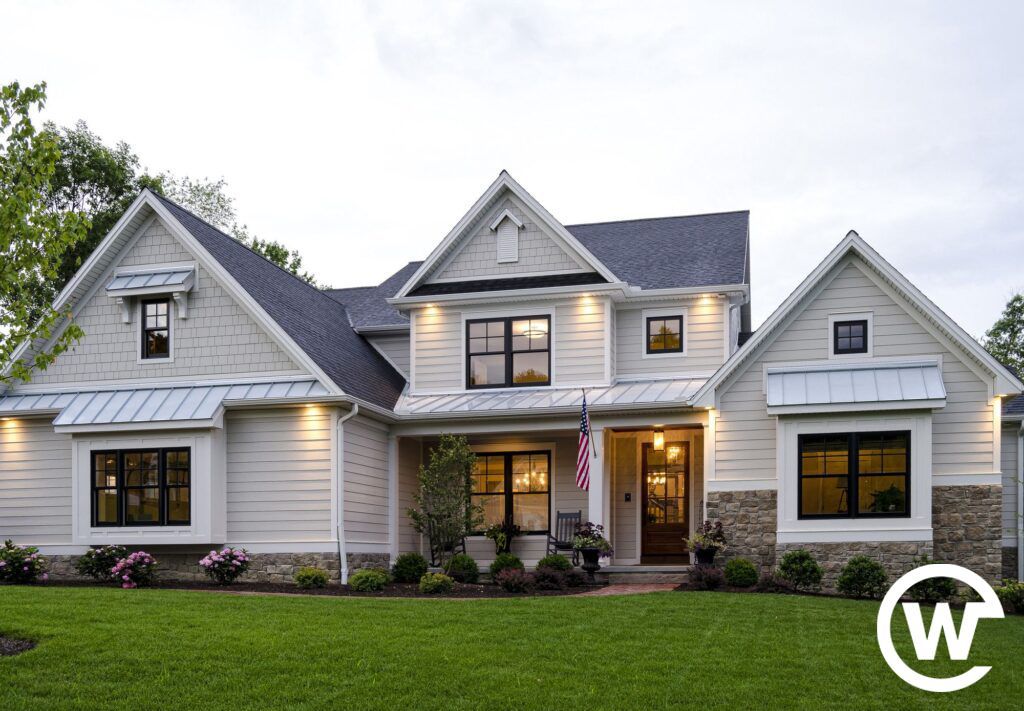
Siding offers a range of material options that significantly enhance the aesthetic appeal of a home. Materials like vinyl, aluminum, fiber cement, and wood allow homeowners to choose based on personal preference and desired look. Each material offers a unique texture, finish, and performance characteristic, enabling customization to the architectural style of the home. The visual transformation afforded by new siding is instrumental in improving curb appeal and leaving a lasting first impression. Moreover, varied materials cater to different budgetary constraints, providing both affordable and premium options.
3.2 Customizable Colors and Finishes
Siding is available in a wide range of colors and finishes, offering endless possibilities for customization. This allows homeowners to tailor their home's exterior to match or enhance existing designs. Whether preferring earthy tones for a rustic feel or vibrant colors for a modern look, the spectrum of siding choices meets aesthetic desires. Additionally, finishes such as wood grain or smooth enhance affect distinct visual appeal. These customizable elements position siding as a vital tool in personalizing and elevating residential exteriors.
3.3 Architectural Style Integration
Integrating siding with architectural styles enhances visual harmony and distinction. With careful selection, siding blends seamlessly with the home's existing design, accentuating its architectural features. For historic homes, materials like wood maintain period-authentic designs, while contemporary styles may favor sleek, smooth siding materials. Thoughtful siding choices ensure that homes not only look aesthetically pleasing but also harmonize with their surroundings, reinforcing cultural or stylistic narratives. As a result, the adaptability of siding enables its use across various design architectures, underscoring its importance in home improvement.
3.4 Boosting Home Value
Updated siding is an investment that can boost a home's market value. Curb appeal plays a significant role in real estate by attracting potential buyers and conveying a well-maintained, high-quality home. Enhanced durability, improved energy efficiency, and aesthetics all contribute to higher appraisals and competitive offers during resale. Homeowners who invest in premium siding often realize superior returns on their investments. With the siding market projected to grow, leveraging these benefits via siding upgrades can lead to substantial financial rewards upon property sale.
Siding stands out as a multifaceted component in safeguarding and enhancing a home's exterior. From protection against climate-related challenges to aesthetic and economic benefits, siding plays a pivotal role. A smart choice of materials and proper maintenance can significantly augment a home's longevity, efficiency, and value. As the siding industry continues to evolve, understanding these benefits ensures informed decisions, providing homeowners with substantial returns on their investments. If you're looking for siding, window, or door services, contact Wilco Windows & Siding today.