June 9, 2026
We will explore key considerations for homeowners planning a siding project. From material choices to budget planning, understanding these factors is crucial for a successful home improvement project. New siding can improve curb appeal, energy efficiency, weather protection, and overall market value. With many materials available, it helps to compare appearance, durability, maintenance needs, and climate performance before making a final decision.
Siding Material Options
Choosing the right material is one of the most important steps in siding installation. Vinyl, wood, fiber cement, metal, and engineered wood each offer different benefits. The best choice depends on your home’s style, your budget, and the amount of maintenance you are willing to handle over time.
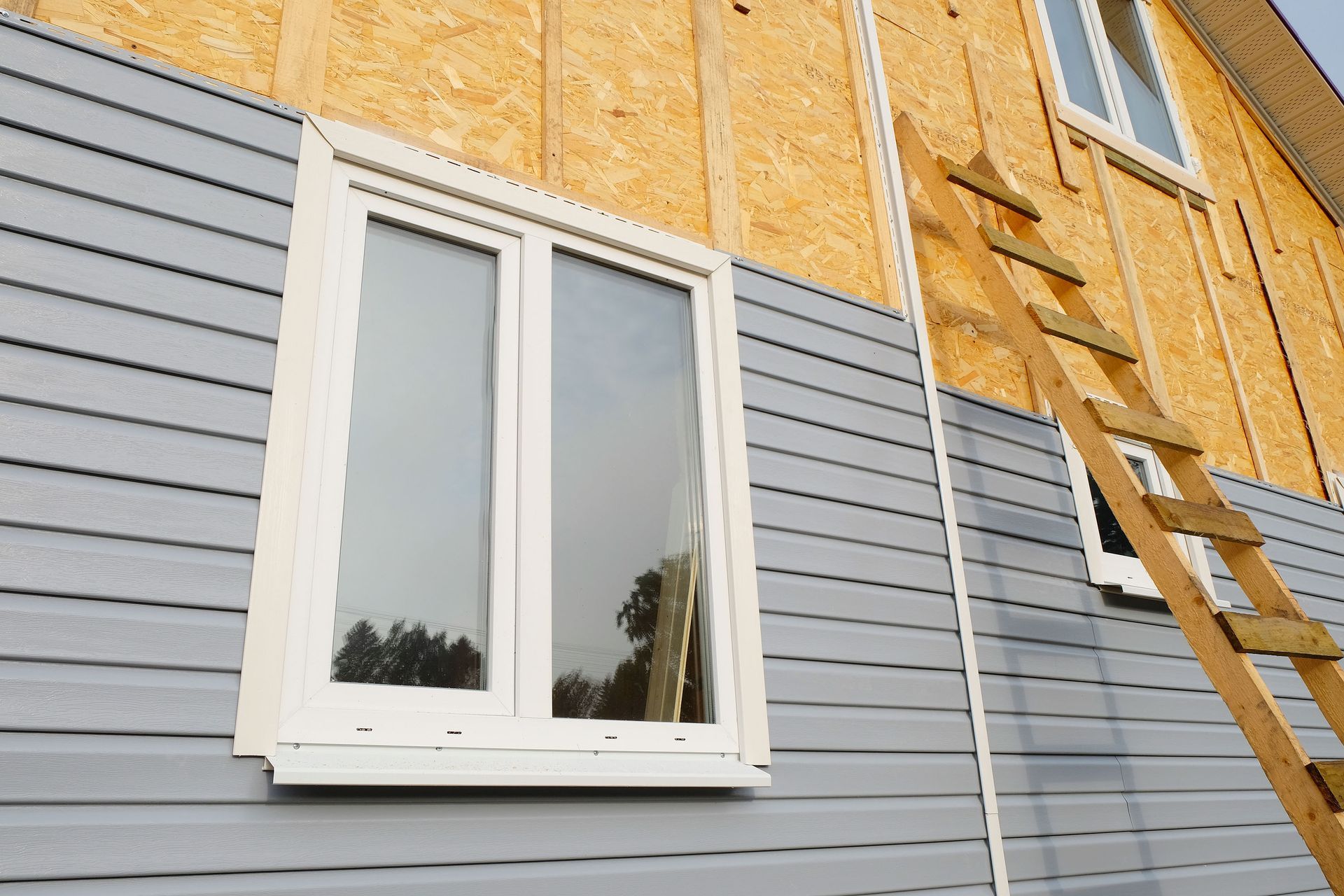
Vinyl siding is popular because it is affordable, durable, and easy to maintain. It comes in many colors and styles, making it suitable for both traditional and modern homes. According to PR Newswire, over 42% of American homeowners would choose a neutral color for their exterior siding, which makes vinyl a strong option for homeowners who want a clean, timeless look.
Wood siding offers natural beauty and classic charm. It can make a home feel warm and distinctive, but it requires more upkeep than many other materials. Homeowners should expect regular painting, staining, sealing, and inspections to protect wood from moisture, insects, and decay.
Fiber cement siding is known for strength, fire resistance, and design flexibility. It can resemble wood, stucco, or masonry while resisting rot and pests. Although fiber cement can cost more upfront, many homeowners value its long lifespan and dependable performance after siding installation.
Metal siding provides a sleek, contemporary appearance and strong resistance to fire, insects, and rot. Aluminum and steel options can work well in many climates, especially when homeowners want a durable exterior with minimal upkeep. However, metal may dent from heavy impacts, so local weather should be considered.
Engineered wood siding offers the look of natural wood with improved resistance to common problems like fungal decay and insect damage. It is often lighter and easier to install than fiber cement while still providing strong visual appeal. For homeowners who want warmth, texture, and better durability, engineered wood can be a balanced choice.
Budget Planning
Budgeting for siding installation requires more than comparing the price of materials. Homeowners should consider square footage, labor, trim, underlayment, removal of old siding, repairs, permits, and disposal costs. A clear estimate helps prevent surprises once the project begins.
Material choice has a major impact on cost. Vinyl is often the most budget-friendly option, while wood and fiber cement usually involve higher expenses. Labor costs can also vary depending on the weight, complexity, and installation requirements of the selected product.
It is wise to get multiple quotes from qualified contractors before making a decision. Comparing estimates helps homeowners understand local pricing and identify what is included. The lowest price is not always the best value if it excludes preparation, cleanup, warranties, or necessary repairs.
Financing may also be helpful for larger projects. Home improvement loans, home equity options, and contractor financing plans can make the project more manageable. Before choosing a payment option, homeowners should review interest rates, repayment terms, and total long-term cost.
Long-Term Value
New siding can improve a home’s return on investment by boosting appearance and protecting the structure. Fresh, well-installed siding gives buyers confidence that the home has been maintained. It can also help reduce drafts, moisture problems, and future repair needs.
Energy efficiency is another important value factor. Insulated vinyl and other high-performance materials may help reduce heat transfer through exterior walls. While siding alone will not solve every energy issue, it can support a more comfortable and efficient home when paired with proper sealing and insulation.
Maintenance costs should also be part of the long-term calculation. A less expensive material may cost more over time if it needs frequent repairs, repainting, or treatment. Homeowners should compare both the initial price and the ongoing care required after siding installation.
Climate And Weather Factors
Local weather should guide siding choices. Homes in humid or rainy regions need materials that resist moisture, mold, and rot. Homes in hot areas may benefit from reflective materials and lighter colors, while colder climates may call for siding that supports better insulation and wind protection.
Storm exposure is another factor to consider. High winds, hail, heavy rain, and freeze-thaw cycles can affect siding performance. Choosing a product suited to local conditions helps protect the home and supports a longer-lasting siding installation.
Contractor Selection
The quality of the contractor matters as much as the material itself. Even premium siding can fail if it is installed incorrectly. Homeowners should look for licensed and insured professionals with strong reviews, clear communication, and experience with the chosen siding product.
Before work begins, ask about warranties, timelines, cleanup, preparation, and what happens if hidden damage is found. A dependable contractor should explain the process clearly and provide a written estimate. This helps homeowners feel confident before committing to siding installation.
Project Preparation
Preparing the home before installation can make the project smoother. Homeowners may need to move outdoor furniture, trim landscaping, clear driveway space, and remove fragile items from walls inside the home. These small steps help crews work safely and efficiently.
It is also important to inspect the exterior before work begins. Old siding may hide water damage, pest activity, or deteriorated sheathing. Addressing these problems before new materials are installed helps protect the investment and prevent future issues.
Final Decision Making
A successful siding project depends on balancing appearance, durability, budget, maintenance, and climate needs. Homeowners should avoid choosing based only on color or initial price. The best siding is one that supports the home’s structure, matches its style, and fits long-term ownership goals.
Warranty And Product Protection
Understanding warranty coverage is another important part of planning a siding project. Different manufacturers offer different levels of protection, and homeowners should carefully review what is included before making a final decision. Some warranties only cover manufacturing defects, while others may also include fading, cracking, hail resistance, or moisture protection. Reading the details closely can help homeowners avoid misunderstandings later. A strong warranty often reflects confidence in the product’s durability and expected lifespan.
Labor warranties are equally important because installation errors can lead to serious issues even when high-quality materials are used. Water infiltration, loose panels, poor sealing, and uneven alignment can all result from improper workmanship. Homeowners should ask contractors whether labor coverage is included and how long it lasts after the project is completed. Reliable contractors are usually willing to stand behind their work and explain warranty terms clearly. Keeping copies of contracts, receipts, and warranty paperwork in a safe location also makes future claims easier to manage if problems arise.
Curb Appeal And Design Coordination
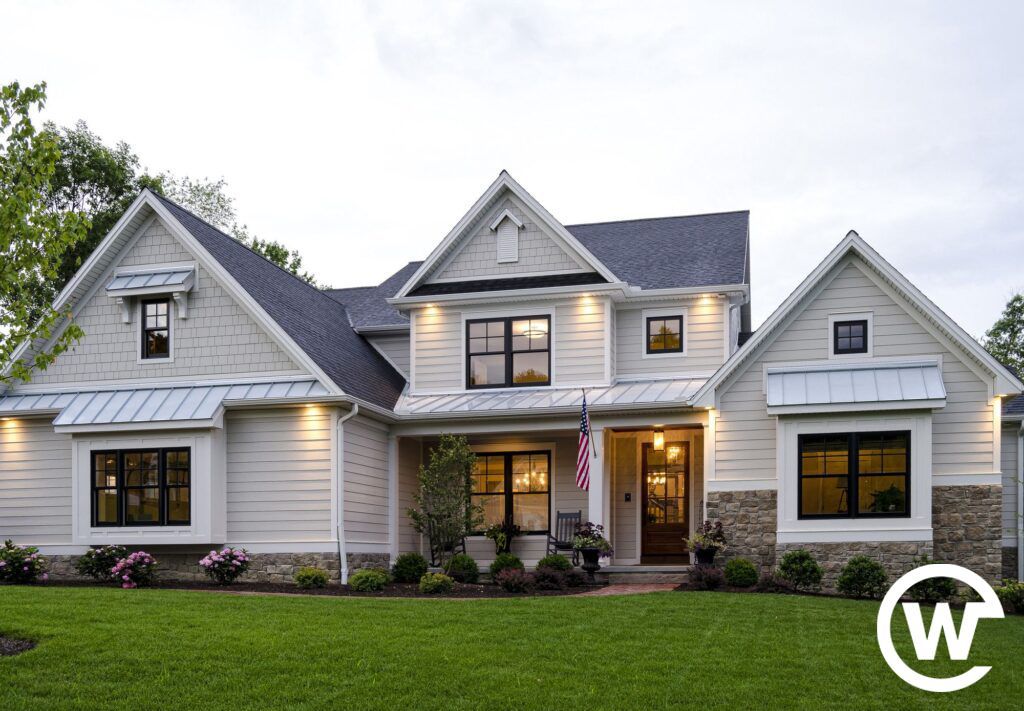
New siding has a major impact on a home’s appearance, making design coordination an essential part of the planning process. Homeowners should consider how siding colors, textures, and profiles will work with roofing materials, shutters, trim, doors, and landscaping. A cohesive exterior design can make a property look more polished and inviting while increasing overall curb appeal.
Neutral colors remain popular because they tend to complement many architectural styles and appeal to a wider range of buyers. However, bold accent colors can still add personality when used thoughtfully around entryways or trim details. Texture also plays a role in visual appeal, as some siding materials mimic natural wood grain or handcrafted finishes. During the project, proper alignment and trim work help create a clean and professional appearance that enhances the home’s overall character.
By comparing materials, planning costs, reviewing contractor qualifications, and preparing properly, homeowners can approach siding installation with confidence. With the right decisions, new siding can transform a home’s exterior while improving protection, comfort, and lasting value. Contact Wilco Windows & Siding today and learn more about our siding services.